



Today, forests cover roughly two-thirds of South Korea’s land area, and the country is widely recognized as a global example of successful reforestation. International organizations such as the FAO and UNESCO have highlighted Korea’s experience as a model for forest restoration in developing countries. In 2025, the historical archives documenting Korea’s nationwide forest restoration campaigns were inscribed in UNESCO’s Memory of the World Register, recognizing their global significance.
However, the story of Korea’s forests does not end with restoration. As forests matured and ecosystems recovered, new environmental challenges began to emerge. Larger forest biomass increased wildfire risks, monoculture plantations became vulnerable to pests, and climate change intensified ecological disturbances. These developments gradually shifted the focus of forest policy from simply restoring trees to managing complex forest ecosystems.
In response, South Korea has increasingly adopted data-driven approaches to forest governance. The Korea Forest Service has introduced artificial intelligence (AI), big data analytics, and digital monitoring technologies to predict environmental risks and support proactive forest management. By examining long-term forest data and recent technological developments, this essay illustrates how Korea’s forest governance has transitioned from restoration to resilience.
This essay explores how South Korea’s forest policy evolved from large-scale reforestation toward data-driven forest governance. It examines three Key Questions :
#reforestation #forest governance #smart forestry
“The mountains are a national treasure and the foundation of prosperity… Through our concern for the mountains and a renewed awareness of the value of trees, let us plant our vitality into the land. In doing so, let us build a great forest nation and bequeath to future generations mountains that are green, abundant, and full of life.” (1961, Daehan News)

South Korea’s modern forest story begins with devastation. In the aftermath of the Korean War, much of the country’s forest land was severely degraded. Large portions of forest cover had been destroyed by wartime activities, excessive fuelwood collection, and agricultural expansion. Many mountains were left barren, with soil erosion and landslides becoming common environmental problems.
Recognizing the importance of forests for national development, the Korean government launched large-scale reforestation initiatives beginning in the early 1960s. These initiatives formed part of broader economic development strategies under national modernization policies. The government implemented strict forest protection laws, organized community-based tree planting campaigns, and promoted long-term forest management plans.
“…the only developing country to have succeeded in reforestation since World War II.” (FAO, 1982)
“A reforestation model achieved through public-private governance” (UNESCO, 2025)
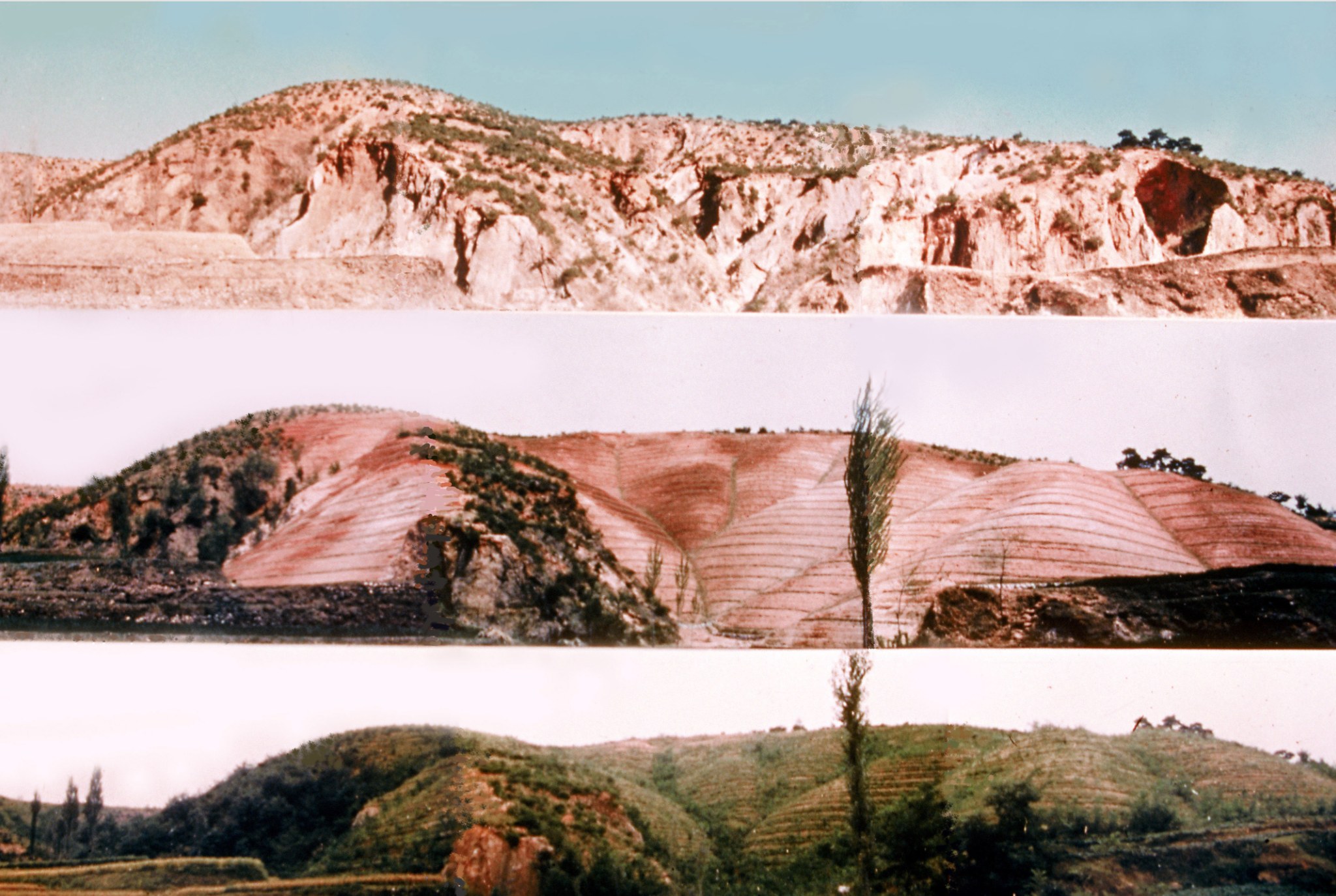
The results were remarkable. Over several decades, millions of trees were planted across the country, transforming barren hills into densely forested landscapes. Although South Korea’s reforestation campaign is often described as a government-led environmental policy, its success cannot be understood without recognizing the active participation of local communities. One of the most distinctive institutional mechanisms behind Korea’s forest restoration was the Sanrim-gye (mountain community), or village forest cooperatives, which played a crucial role in mobilizing collective action and ensuring sustainable forest management.
The historical importance of Korea’s forest restoration efforts has also been internationally recognized in 2025. The <Korean Forest Restoration Records> were inscribed in the UNESCO Memory of the World Register, highlighting the global significance of this experience. The archive consists of 9,619 historical records, including official documents, project reports, photographs, posters, and audiovisual materials produced during the nationwide reforestation campaigns.
The experience of Korea’s forest cooperatives closely aligns with the theoretical insights of Elinor Ostrom, who was awarded the 2009 Nobel Prize in Economic Sciences for her research on the governance of common-pool resources. Ostrom challenged the conventional assumption that shared resources inevitably lead to overexploitation. Instead, she demonstrated that local communities can successfully manage common resources when they develop clear rules, monitoring systems, and enforcement mechanisms.
South Korea’s forest story is not only a narrative of policy transformation but also one that can be observed clearly through long-term statistical trends. Data on forest resources, growing stock, forest density, and forest disturbances illustrate how Korea’s forests have evolved over time and why modern forest governance increasingly relies on scientific monitoring and digital technologies.
The first important indicator is the global estimation of forest resources, which places Korea among the countries that have successfully restored forest ecosystems within a relatively short historical period. Today, forests cover roughly 65 percent of South Korea’s land area, making the country one of the most forested nations among industrialized economies.
This spatial transformation becomes even clearer when examining forest ratio at the municipal level. While national statistics suggest that forests cover a large share of Korea’s territory, local data reveal substantial variation across cities depending on geography, urbanization, and land-use patterns.
For example, Sejong, Korea’s administrative capital and a relatively new planned city, still maintains a high forest ratio of 54 percent because much of its surrounding landscape consists of hills and protected green areas. This reflects the broader environmental structure of central Korea, where urban development is embedded within forested terrain rather than completely replacing it.
Seoul, the country’s largest metropolitan area, exhibits a lower forest ratio due to its extremely high population density and extensive urban development. Nevertheless, mountains such as Bukhansan and Gwanaksan remain significant forested areas within the metropolitan landscape, demonstrating how forest ecosystems continue to play an important ecological role even within highly urbanized environments.
The steady increase in growing stock demonstrates the long-term success of Korea’s reforestation policies. In the early decades following the Korean War, forests were heavily degraded and tree volume was extremely low. Over the following decades, this figure increased dramatically.
However, forest area alone does not fully capture ecological recovery. A more meaningful indicator is the growth of total forest growing stock, which measures the volume of standing timber within forests.
In the 1950s and early 1960s, the growing stock per hectare in Korea was extremely low, reflecting the severe degradation of forest resources. At that time, the average growing stock was only about 6 m³ per hectare. Through decades of reforestation and forest management, this figure increased dramatically. By the late 2000s, the growing stock density had exceeded 100 m³ per hectare, representing more than a tenfold increase in forest biomass.
This increase also signals the transition of Korean forests from young plantations to mature forest ecosystems. As forests age, biomass accumulation increases, leading to higher growing stock density. While this trend indicates ecological recovery, it also introduces new management challenges. Mature forests contain higher fuel loads, which can increase the risk of large-scale wildfires if not properly managed.
The composition of forest types reflects the historical trajectory of Korea’s forest policy. During the intensive reforestation campaigns of the 1970s and 1980s, fast-growing conifer species such as pine were widely planted to quickly restore forest cover. Over time, however, ecological succession and forest management policies gradually increased the proportion of mixed and broadleaf forests.
This shift is significant because forest diversity improves ecological resilience. Monoculture forests tend to be more vulnerable to pests and diseases, whereas mixed forests are generally more stable and resistant to environmental disturbances. Therefore, the distribution of forest types illustrates how Korea’s forest landscape has evolved from a rapid restoration phase toward a more ecologically balanced forest structure.
As forests matured and biomass accumulated, ecological risks began to emerge in different forms. Large-scale wildfires became more likely due to increased fuel loads, forest pests and diseases spread more easily in extensive monoculture stands, and aging forests required more complex management interventions. At the same time, climate change intensified environmental pressures, increasing the vulnerability of forest ecosystems to extreme weather and ecological disturbances.
Wildfires have become one of the most critical forest risks in South Korea in the post-reforestation era. As forests matured and biomass increased, the potential fuel available for wildfires also expanded. Combined with climate change, rising temperatures, and prolonged dry seasons, these conditions have increased the likelihood of large-scale wildfire events.
The 100% stacked area chart serves as a diagnostic tool for forest maturity. It illustrates that while we have successfully controlled the number of fires (Incidents), the volatility of damage (Area) per fire is increasing. This 'decoupling' of frequency and scale proves that traditional suppression is reaching its limit, necessitating the AI-driven precision response systems detailed in Section IV.
Forest pest outbreaks have become a major challenge in Korea’s forests in the post-reforestation era. As mentioned earlier, during the large-scale reforestation campaigns of the 1970s and 1980s, extensive areas were planted with fast-growing conifer species, particularly pine. While these plantations successfully restored forest cover, they also created large areas of relatively uniform forest structure. Such monoculture forests can be more vulnerable to pest outbreaks.
Species such as pine gall midge and pine caterpillars can spread rapidly under favorable conditions, causing significant damage to forest ecosystems. However in many cases, the controlled area closely follows or even exceeds the affected area, reflecting the proactive pest management strategies implemented by the Korea Forest Service.
The success of reforestation created a massive carbon sink, but this sink is now a 'volatile asset' under climate change. Warm winters have shifted the life cycles of invasive pests, making historical patterns unreliable. Machine learning models are therefore essential to identify new 'climate-suitable' habitats for pests before outbreaks occur, effectively moving forest policy from 'historical reaction' to 'predictive prevention.
As Korea’s forests matured, managing them became increasingly complex. Traditional approaches that relied primarily on field surveys and reactive disaster responses were no longer enough to address emerging risks such as large-scale wildfires, pest outbreaks, and climate-driven disturbances. This transformation required a fundamental shift in forest governance. Managing mature forests across mountainous terrain demanded more precise monitoring, faster disaster response, and more sophisticated decision-making tools than traditional field-based methods could provide.
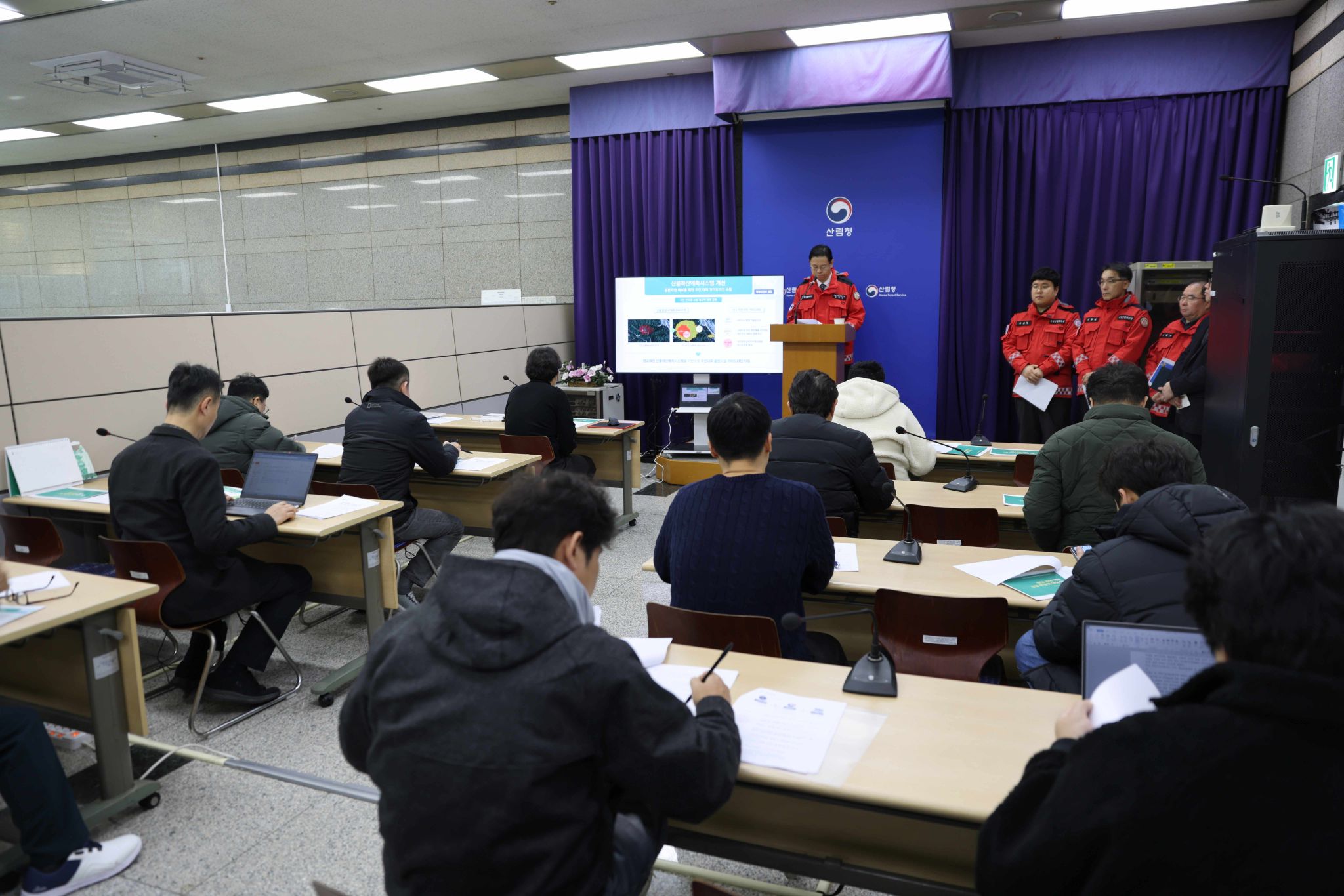
Recognizing these challenges, South Korea has gradually begun transforming its forest governance system through the use of digital technologies. The Korea Forest Service with the National Institute of Forest Science, has significantly upgraded the AI-based National Wildfire Risk Forecasting System using wildfire statistics and meteorological data from the past decade to improve prediction algorithms.
As a result, wildfire risk prediction accuracy currently around 76 percent is expected to increase to approximately 88 percent by 2027. The system has also been redesigned to provide mobile-based real-time risk information, allowing citizens to quickly check wildfire danger levels and respond accordingly.
In addition, the Wildfire Spread Prediction System has undergone major technological upgrades. New modeling methods that incorporate effective wind speeds in mountainous terrain have improved prediction accuracy by about 30 percent, while a next-generation AI engine has enhanced terrain analysis resolution to 5 meters, enabling more precise simulations of how fires spread across valleys and ridges.
Looking ahead, the Korea Forest Service plans to develop an AI-based intelligent firefighting decision system by 2030, capable of recommending optimal deployment strategies for helicopters and firefighting personnel within 60 seconds during simultaneous wildfire events. Through these innovations, Korea aims to build a scientific disaster response system that protects both forests and communities from wildfire risks.
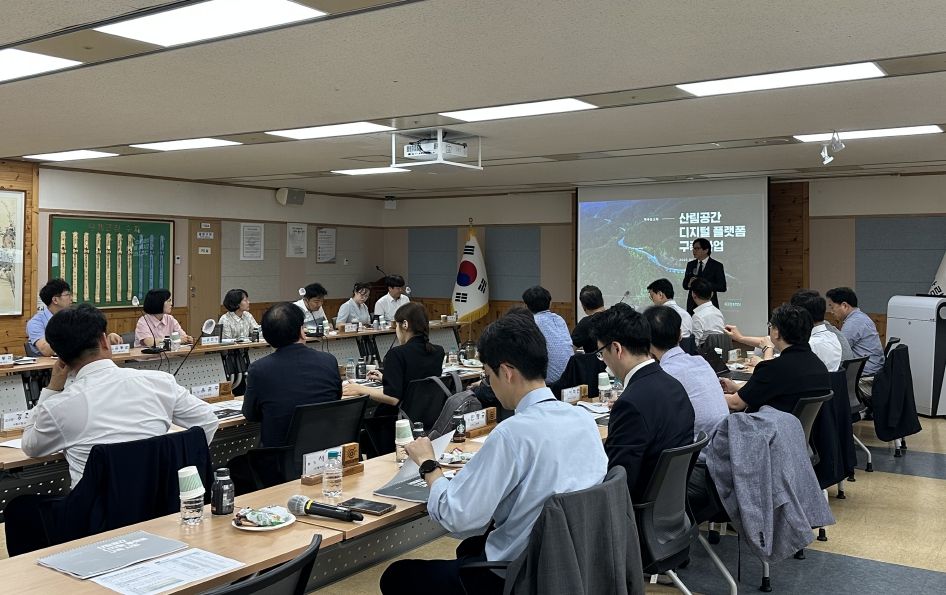
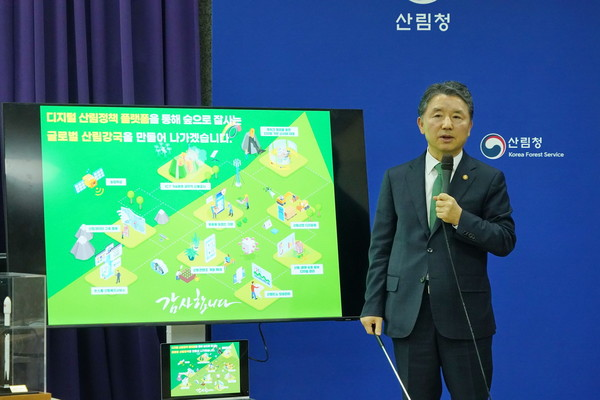
In 2025, the Korea Forest Service launched the Forest Spatial Digital Platform Project, an ambitious four-year initiative designed to transform forest management through digital twin technology.
With a total investment of 10.2 billion KRW between 2025 and 2028, the project aims to integrate diverse data sources including GIS, satellite imagery, LiDAR scans, and spatial monitoring systems into a single digital platform. At the core of this initiative is the concept of a digital twin forest, a virtual replication of real-world forest environments that allows policymakers and researchers to observe, analyze, and simulate forest conditions in real time.
The platform will be built gradually: first by integrating spatial datasets and creating ultra-high-precision three-dimensional forest maps, then by developing a 2D and 3D spatial system that supports administrative decision-making, and finally by expanding customized digital twin services through cloud-based spatial data infrastructure.
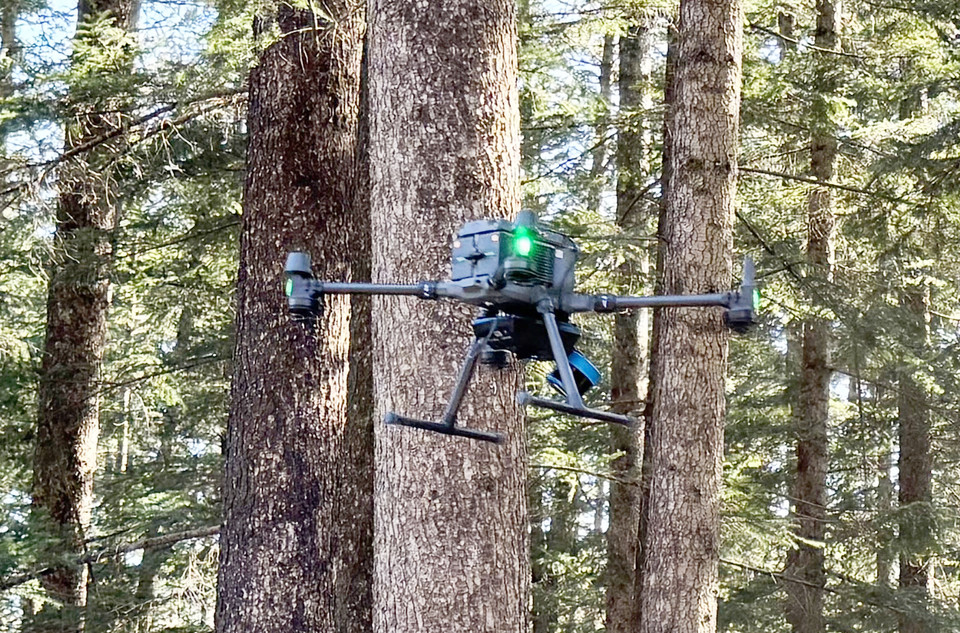
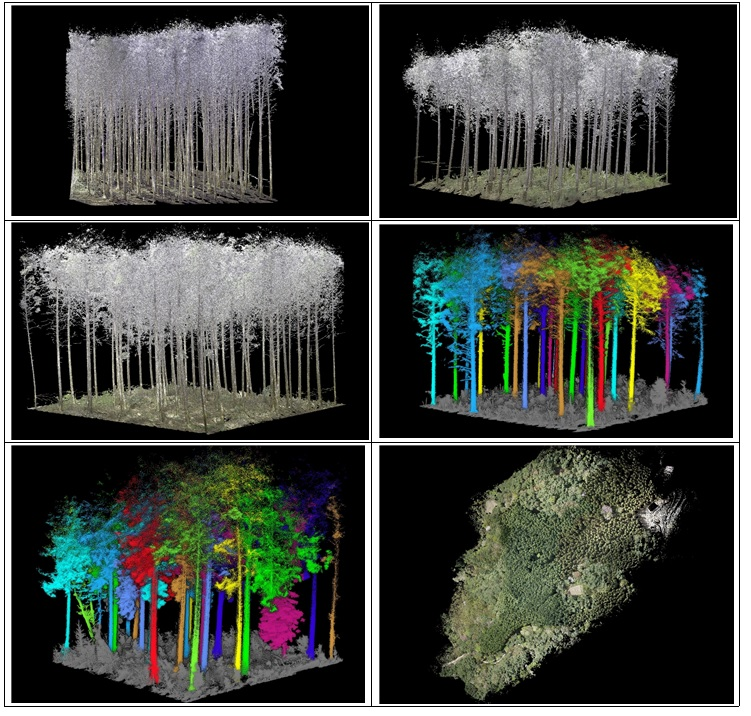
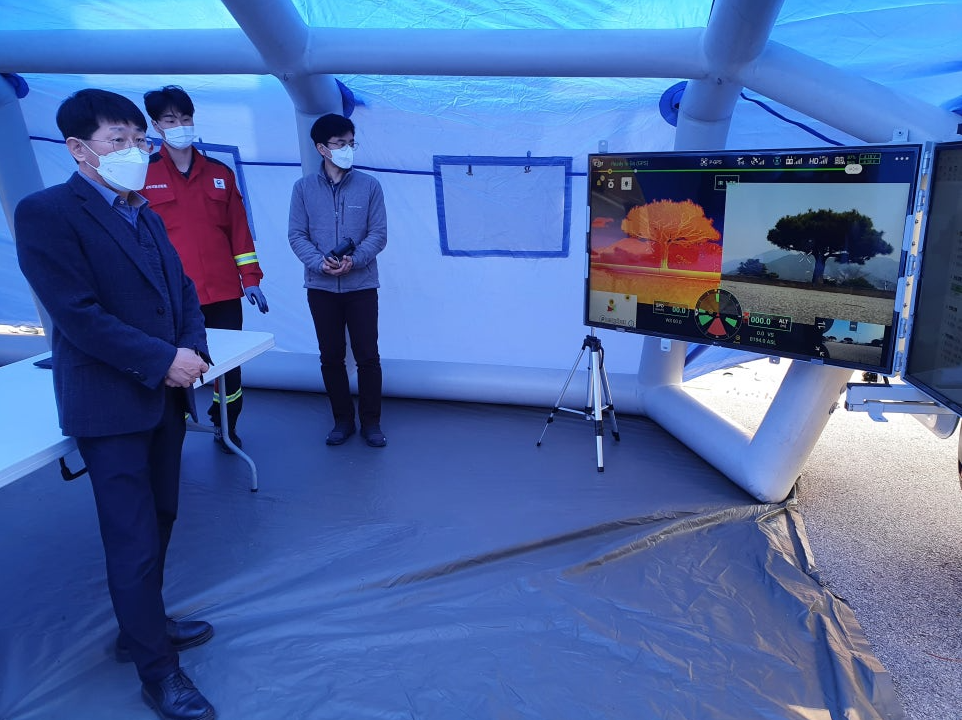
Since around 2020, LiDAR technology has been steadily advancing as a key tool for precision forestry in South Korea. Continuous improvements in sensor resolution, drone integration, and data processing have significantly enhanced the ability to monitor forests at fine spatial scales. As a result, LiDAR has become an essential component of Korea’s efforts to develop precision forestry, enabling more accurate forest inventories, improved ecosystem monitoring, and more efficient management of forest resources.
Unlike conventional aerial surveys that observe forests only from above, this drone can recognize and avoid obstacles such as tree trunks while flying through the forest interior. Using a hybrid survey method that combines flights above the canopy with flights inside the forest, the drone can precisely scan tree trunks and understory vegetation, even measuring the diameter at breast height (DBH) of trees that are typically hidden by foliage.
The technological improvement is striking: while traditional field surveys require roughly 22 hours per hectare, the autonomous drone completes the same work in just 2.3 hours, reducing survey time by nearly tenfold while achieving 96 percent accuracy compared to on-site measurements.
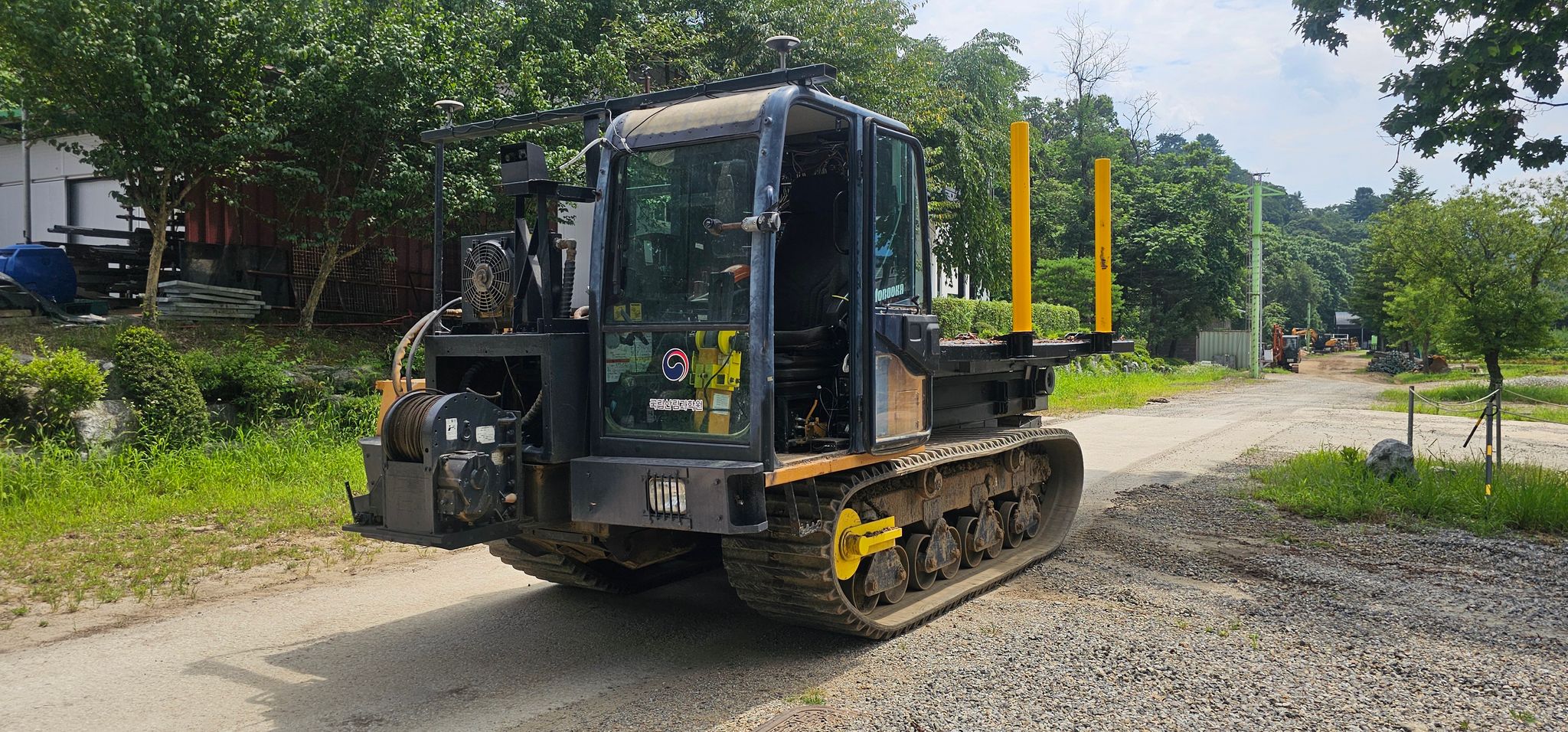
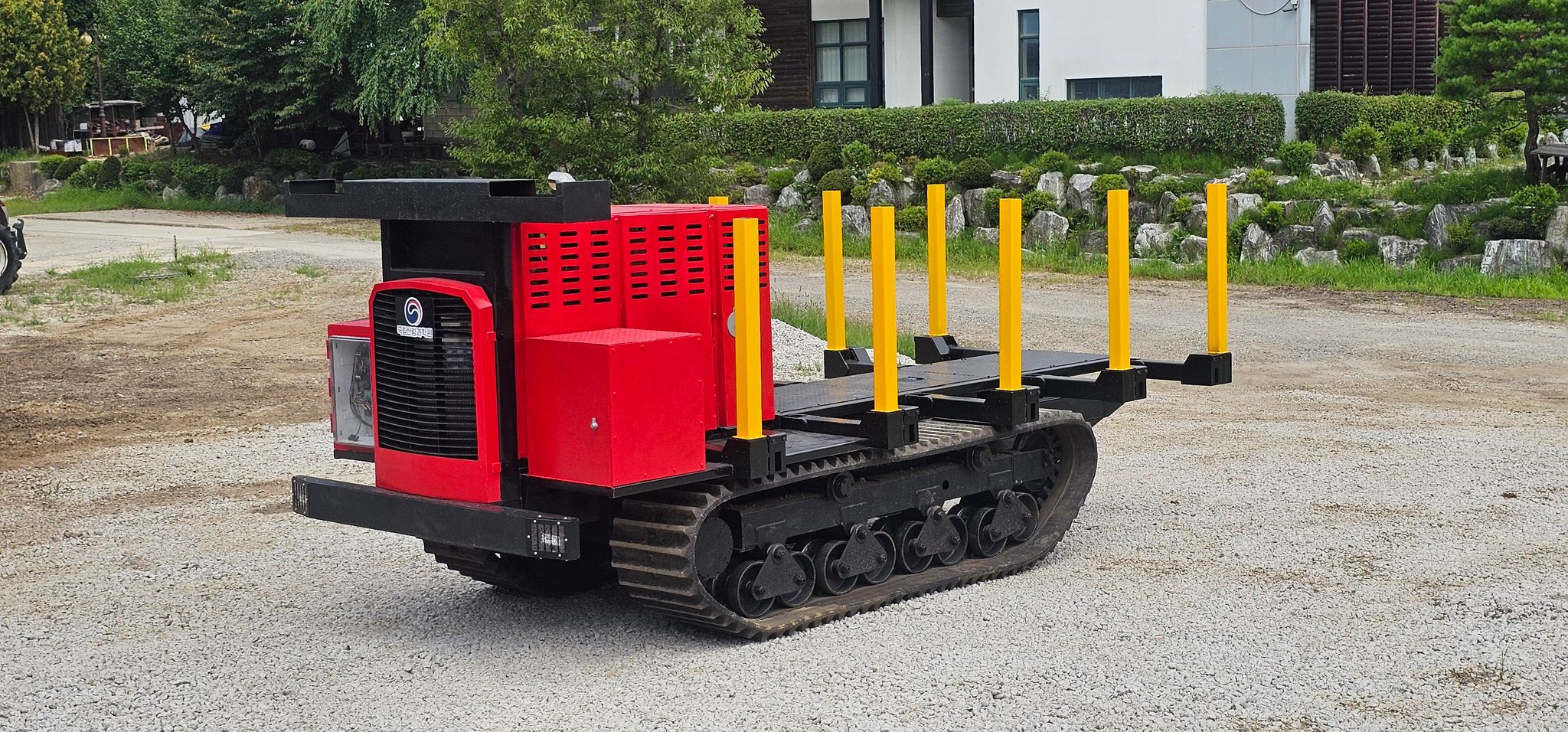
In recent years, Korea has begun integrating artificial intelligence directly into forest operations. The National Institute of Forest Science has developed an AI-powered intelligent forestry robot designed to improve both the safety and efficiency of forest work. Operating in mountainous and difficult-to-access terrain, the robot combines GNSS/INS navigation systems with deep-learning-based vision sensors that allow it to recognize forest roads and navigate autonomously.
Unlike conventional autonomous systems that rely solely on satellite positioning, the robot learns from visual data collected in forest environments. By analyzing images of forest roads through deep learning, the onboard AI can identify the centerline of a pathway and maintain a stable driving route even when GNSS signals are inaccurate or obstructed by dense forest canopies.
Another key innovation lies in the use of embedded AI technology. Because the AI model operates directly within the machine, it does not rely on external cloud networks. This allows forestry robots and field machinery to function independently in remote areas where network connectivity is limited.
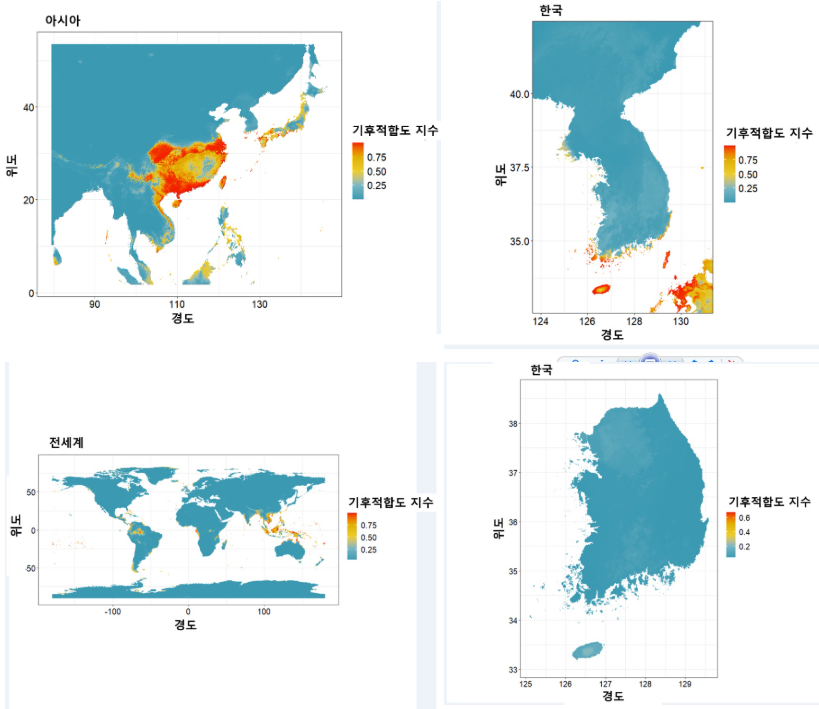
The growing threat of invasive forest pests has become another challenge for Korea’s forest governance. To address this risk, the National Institute of Forest Science (NIFoS), under the Korea Forest Service, has begun applying machine learning techniques to predict potential outbreaks before they occur. By analyzing climate suitability for invasive species, researchers aim to identify which pests are most likely to establish and spread within Korea’s ecosystems.
Invasive pests often spread quietly. Although their distribution is limited at the early stage of invasion making eradication possible once they adapt to local environmental conditions, their populations can expand rapidly and become difficult to control. Climate change is intensifying this risk by expanding suitable habitats and increasing insect reproduction rates, raising concerns about the establishment of new subtropical pest species in Korea.
To address this challenge, researchers at the National Institute of Forest Science analyzed ecological and climate data for more than 200 invasive insect species using machine-learning models. The results indicate that some species, such as the yellow-spotted longhorn beetle, could potentially establish populations in parts of Korea’s southern coast, while others, including the drywood termite, are less likely to settle.
These climate suitability assessments help identify the conditions associated with pest outbreaks and support early prediction of invasive species establishment. In the future, the institute plans to further improve these predictive models by integrating more advanced artificial intelligence technologies.
Artificial intelligence, digital twin platforms, LiDAR monitoring, and autonomous forestry machinery are gradually becoming part of Korea’s forest governance framework.
These technologies allow forest managers to move beyond reactive responses toward predictive and preventive management, where wildfire risks can be forecasted, forest conditions continuously monitored, and management strategies simulated before being implemented on the ground.
From this perspective, Korea’s experience illustrates a broader lesson in environmental governance: successful ecological restoration does not mark the end of forest policy challenges, but rather the beginning of a new phase of management. As forests grow older and denser, governance systems must evolve accordingly.
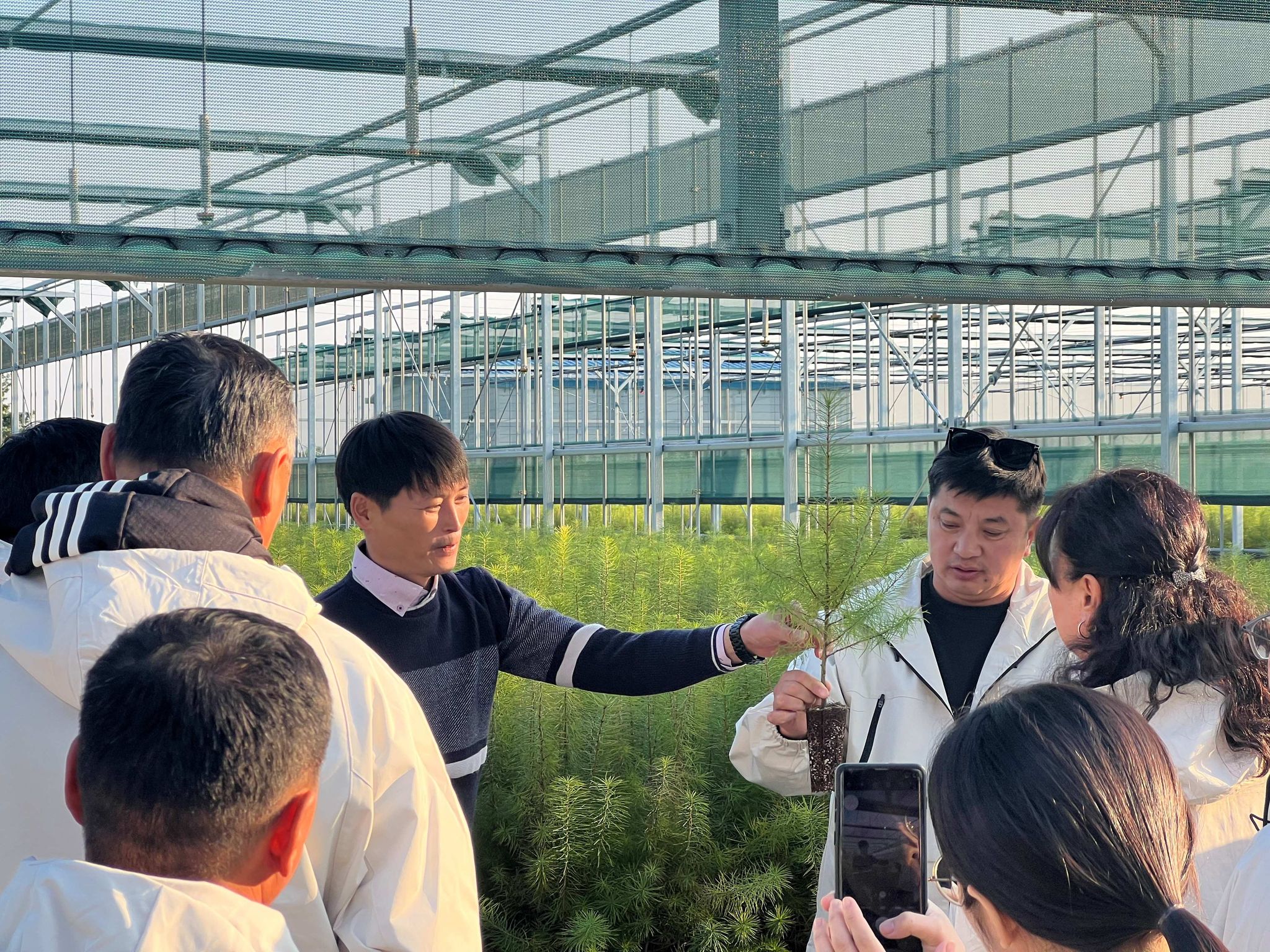
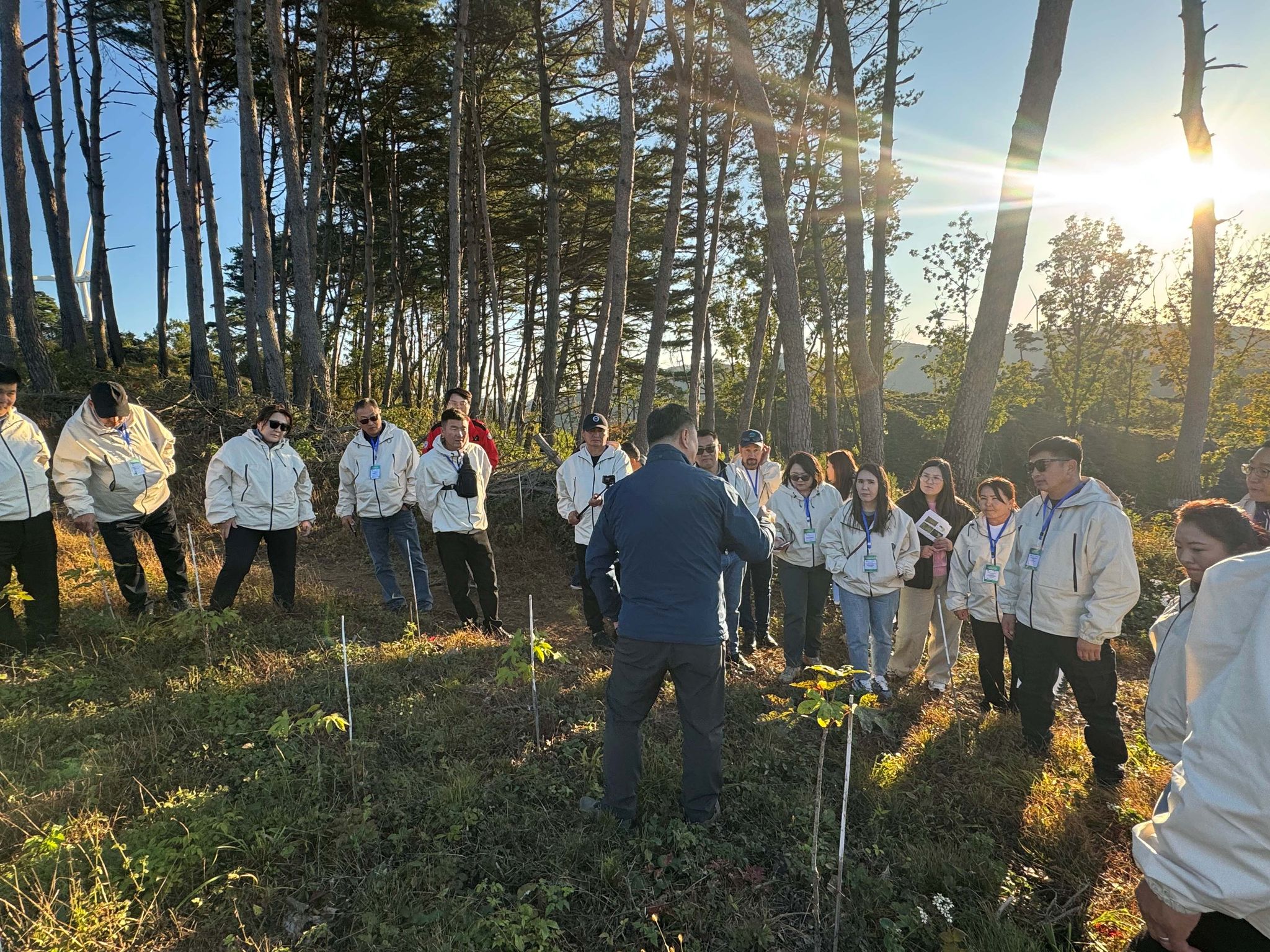
The forests that were once planted to restore barren mountains have grown into vast and mature ecosystems that require an entirely different form of governance. Managing such landscapes cannot rely solely on traditional field surveys or reactive responses to disasters. Instead, it requires continuous observation, data integration, and predictive analysis.
Digital technologies such as artificial intelligence, LiDAR sensing, satellite monitoring, and digital twin platforms are therefore not merely tools for efficiency. They represent a fundamental shift in how forests are understood and governed: as dynamic, data-rich ecological systems that must be continuously monitored, modeled, and managed.
From this perspective, Korea’s forest policy has entered a new chapter. What began as a national project of ecological restoration has gradually evolved into a system of risk-based smart forest governance, where spatial data, predictive algorithms, and intelligent monitoring systems support decision-making in real time. Rather than responding to disasters after they occur, forest management increasingly aims to anticipate risks, simulate potential scenarios, and intervene before ecological disturbances escalate.
Ultimately, the story of Korea’s forests is not only about trees.
It serves as a testament to institutional evolution: South Korea, once a nation that struggled to replant its mountains, now leads the world in governing its forests through digital intelligence. A country that once struggled to replant devastated mountains now faces the more complex task of governing forests that have fully grown.
In doing so, South Korea offers a broader lesson for environmental governance: successful restoration is not the end of forest policy, but the beginning of a new stage in which resilience, risk management, and digital intelligence become central to sustaining ecosystems in an era of climate uncertainty.
Building a Digital Forest in the Republic of Korea (3 minute Video)
Source: Korea Forestry Promotion Institute